


Introduction
A customer walks into your store. They’re interested in your loyalty program. Instead of filling out a paper form or waiting for a staff member, they approach a self-service kiosk. They enter their email, choose their preferences, and—within seconds—a personalized RFID membership card drops into their hand.
This isn’t the future. It’s happening today.
RFID card dispensers are transforming how businesses issue membership cards, manage loyalty programs, and streamline access control. From retail stores to gyms, hotels to parking facilities, automated card dispensing kiosks reduce staff workload, improve customer experience, and capture valuable member data.
This guide covers everything you need to know about RFID card dispensers for membership programs—how they work, what to look for, and how to choose the right one for your application.
What Is an RFID Card Dispenser?
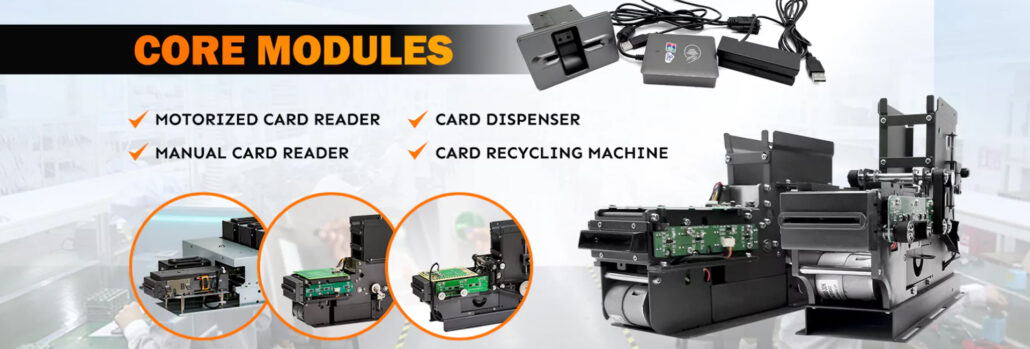
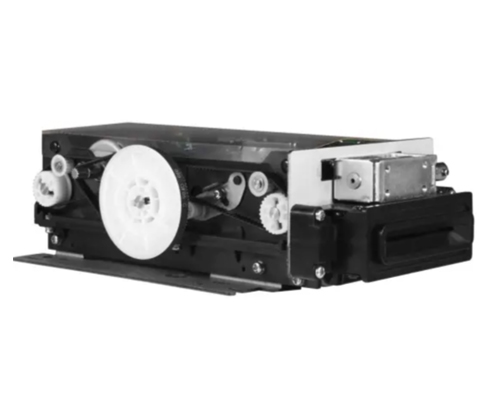
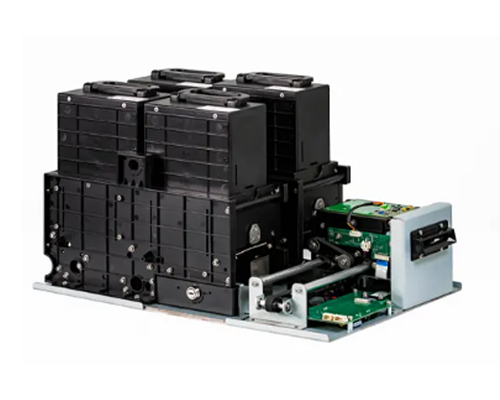
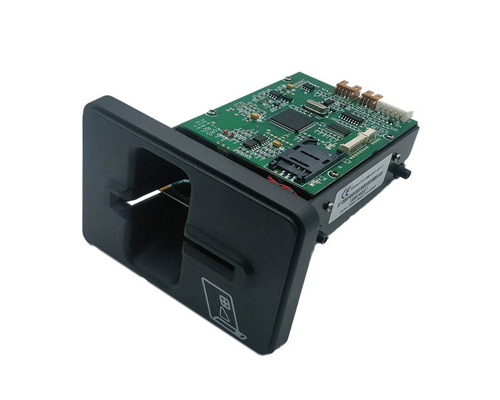
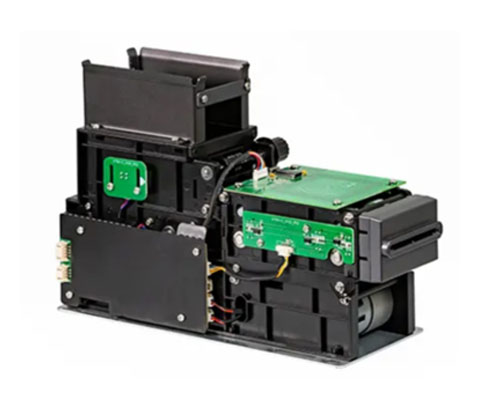
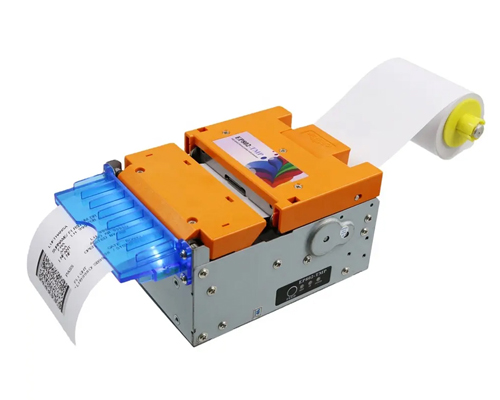
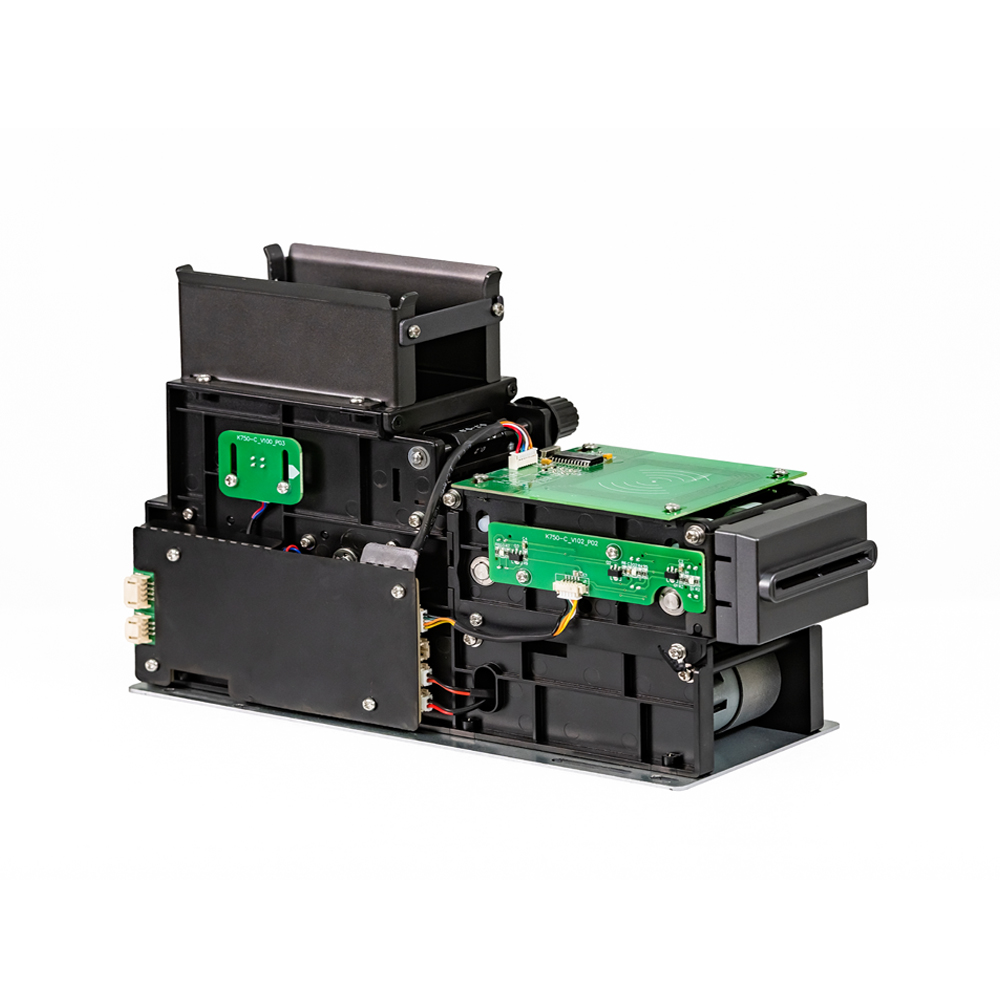
RFID card dispensers are automated devices that store, encode, and dispense RFID-enabled membership cards. They integrate with self-service kiosks to issue cards instantly—reducing staff time, eliminating wait times, and capturing member data at the point of enrollment. For most membership applications, choose a dispenser with 150+ card capacity, RFID encoding capability (ISO14443A/Mifare) , and RS232 or USB interface for easy integration.
How an RFID Card Dispenser Works?
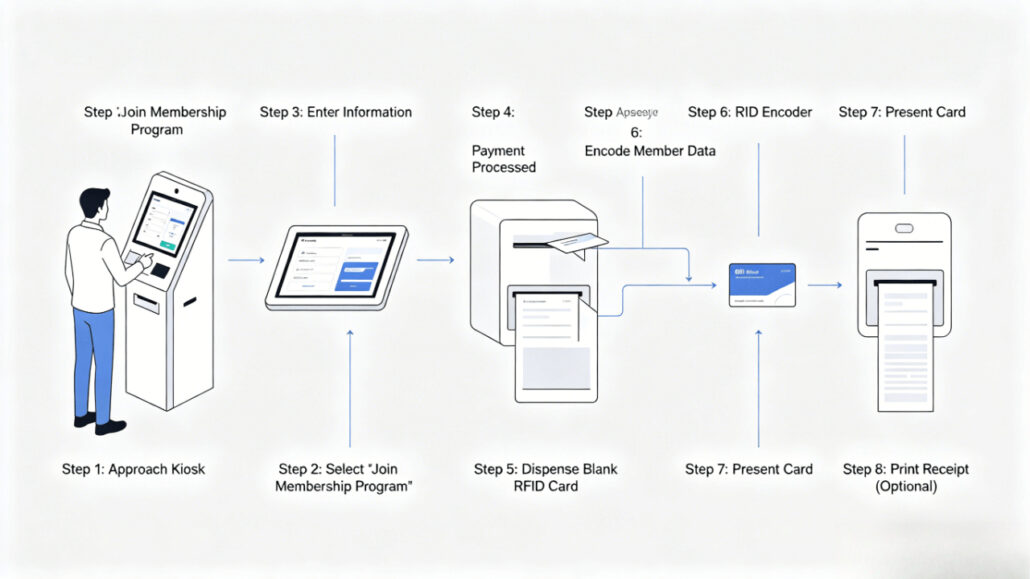
User approaches kiosk
↓
Selects “Join Membership Program”
↓
Enters information on touch screen
↓
Payment processed (if applicable)
↓
Dispenser pulls a blank RFID card
↓
RFID encoder writes member data to card
↓
Card is presented to user
↓
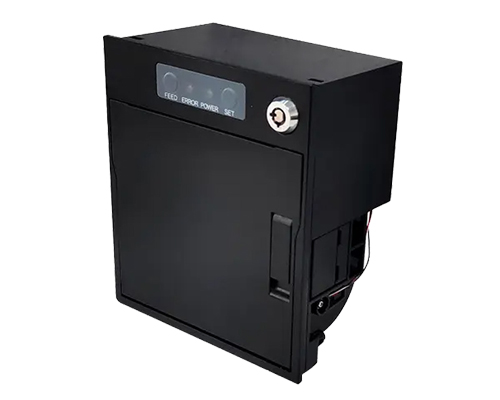
Receipt printed (optional)
The entire process takes 30-60 seconds—compared to 3-5 minutes with manual staff assistance.
Applications for Membership Programs
Retail Loyalty Programs
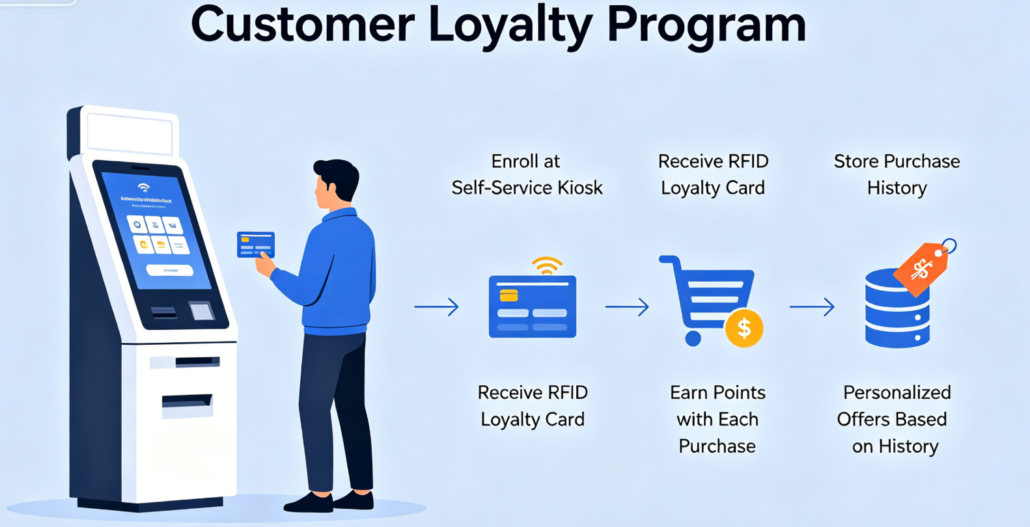
Use Case: Department stores, specialty retailers, grocery chains
How it works: Customers enroll at a self-service kiosk, receive an RFID loyalty card, and earn points with every purchase. The card can also store purchase history for personalized offers.
Benefits:
-
Instant enrollment captures customers before they leave the store
-
Automated data entry eliminates staff errors
-
RFID cards enable fast checkout with tap-to-pay integration
Gym & Fitness Memberships
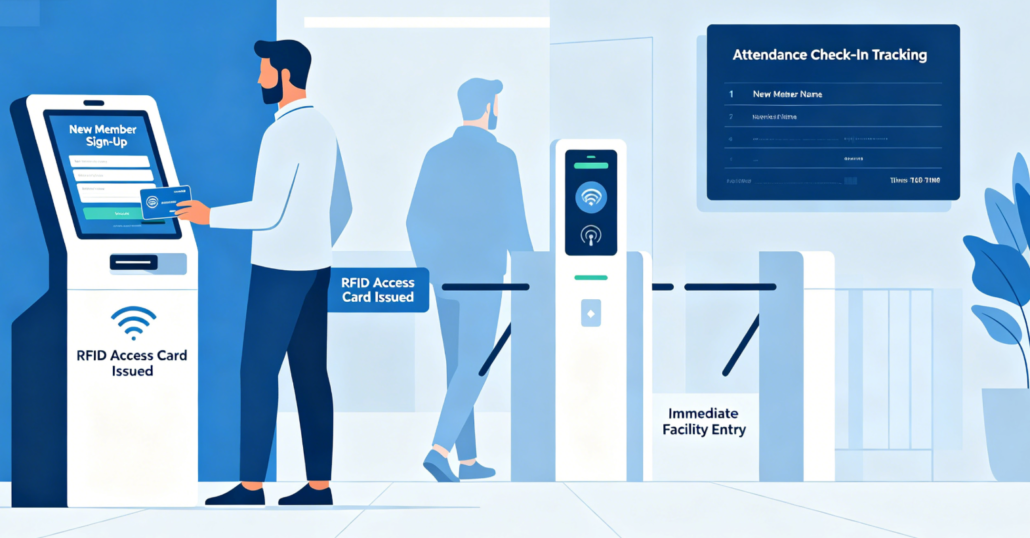
Use Case: Gyms, yoga studios, fitness centers
How it works: New members sign up at a kiosk, receive an RFID access card, and can immediately enter the facility. The card also tracks check-ins for attendance.
Benefits:
-
24/7 enrollment without staff presence
-
RFID cards double as access control
-
Real-time member database updates
Hotel Key Card Dispensers
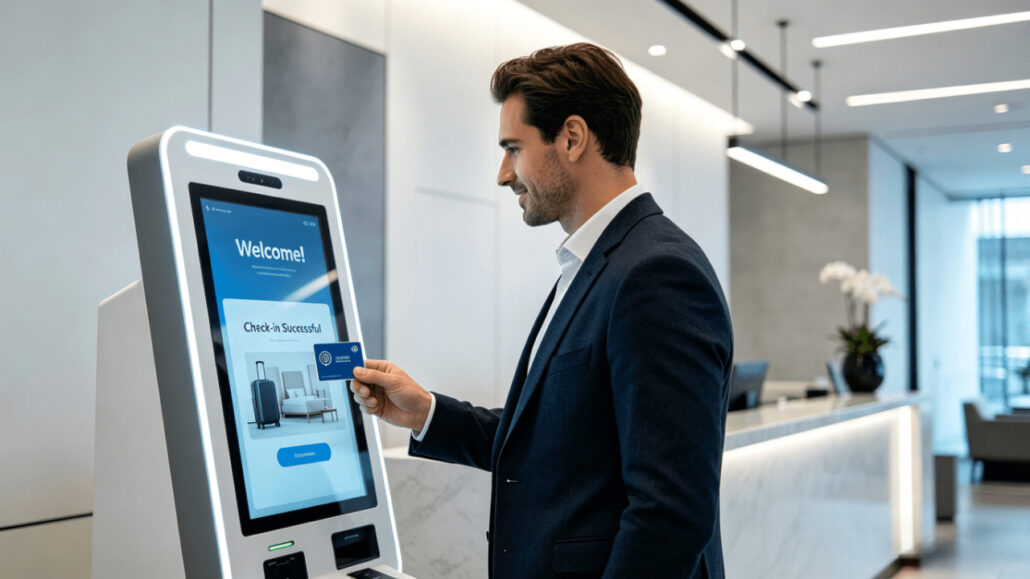
Use Case: Hotels, resorts, serviced apartments
How it works: Guests check in at a self-service kiosk, receive an RFID room key card, and bypass the front desk entirely.
Benefits:
-
Eliminate front desk queues during peak hours
-
Reduce staff costs for late-night check-ins
-
Increase guest satisfaction with contactless experience
Library Card Kiosks
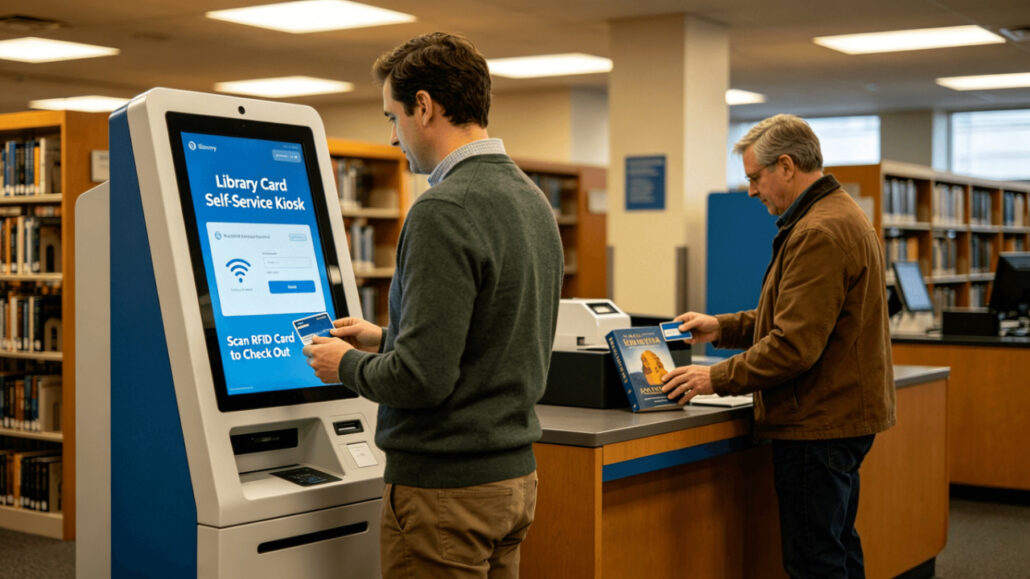
Use Case: Public libraries, university libraries
How it works: Patrons sign up for a library card at a self-service kiosk and can immediately check out books using their new RFID card.
Benefits:
-
Extend service hours beyond staffed times
-
Reduce administrative workload
-
Capture new members who prefer self-service
Parking Access Cards
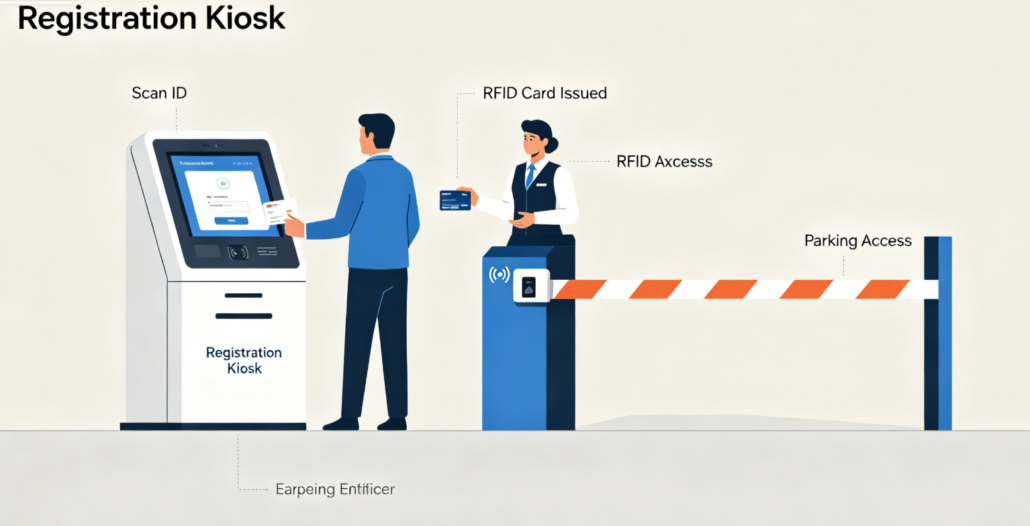
Use Case: Corporate parking, residential communities, monthly parking
How it works: Residents or employees register at a kiosk, receive an RFID access card, and gain entry to parking facilities.
Benefits:
-
Automated issuance for new residents/employees
-
Lost card replacement without staff
-
Track usage patterns for capacity planning
Key Features to Look For
1. RFID Encoding Capability
| Encoding Type | Standards | Best For |
|---|---|---|
| HF 13.56MHz | ISO14443A, ISO14443B, Mifare Classic, Mifare Desfire | Loyalty cards, access control, payment |
| LF 125kHz | EM4100, EM4200 | Basic access control |
| Dual-frequency | Both HF and LF | Versatile applications |
SNR-K750-C supports: ISO14443A/B, Mifare (1K/4K), NFC tag encoding
Why it matters: Your dispenser must encode the card type your system uses. Most membership programs use HF 13.56MHz (Mifare) for compatibility with POS systems and access readers.
2. Card Hopper Capacity
| Capacity | Applications | Maintenance Frequency |
|---|---|---|
| 100 cards | Low-traffic (library, boutique) | Weekly refill |
| 150 cards | Medium-traffic (gym, hotel) | Every 2-3 days |
| 300+ cards | High-traffic (retail chain, parking) | Daily or every other day |
SNR-K750-C capacity: 50/100/150/200 cards (standard 0.8mm thickness)
Why it matters: Larger hoppers reduce maintenance visits. For high-traffic locations, consider dispensers with low-card sensors that alert staff before the hopper empties.
3. Retract Function (Unclaimed Card Handling)
What it does: If a user doesn’t take the card within a set time (e.g., 30 seconds), the dispenser pulls the card back into a recycling bin.
Why it matters:
-
Prevents wasted cards from users who walk away
-
Reduces litter around the kiosk
-
Saves money on card costs
4. Communication Interface
| Interface | Best For | Notes |
|---|---|---|
| RS232 | Industrial controllers, embedded systems | Most reliable, standard in kiosk applications |
| USB | PC-based kiosks | Easy connection, virtual COM port |
| Ethernet | Networked kiosks | Remote management, status monitoring |
SNR-K750-C supports: RS232 and USB
5. Card Thickness Compatibility
| Card Type | Thickness | Compatibility |
|---|---|---|
| Standard PVC | 0.76-0.80mm | ✅ Works with all dispensers |
| Thick cards | 1.0-1.2mm | ✅ Adjustable thickness |
| Paper tickets | 0.3-0.5mm | ⚠️ Requires adjustment |
SNR-K750-C supports: 0.3mm – 2.0mm thickness range
Integration with Kiosk Systems
What You Need for a Complete Solution
| Component | Purpose | Recommended |
|---|---|---|
| RFID card dispenser | Issue encoded cards | SNR-K750-C |
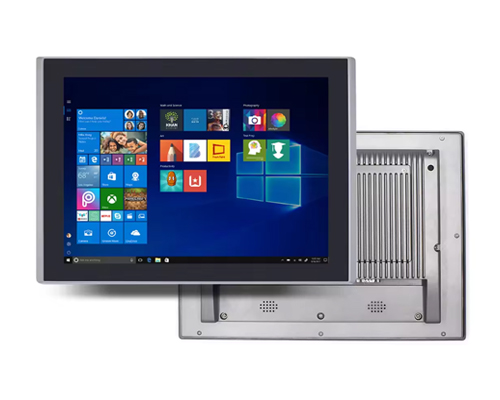
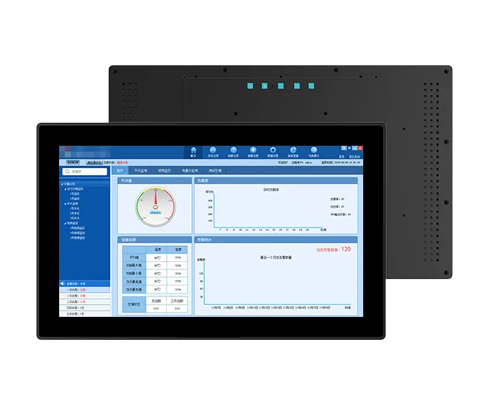
| Touch screen | User interface | 15″ – 32″ industrial display |
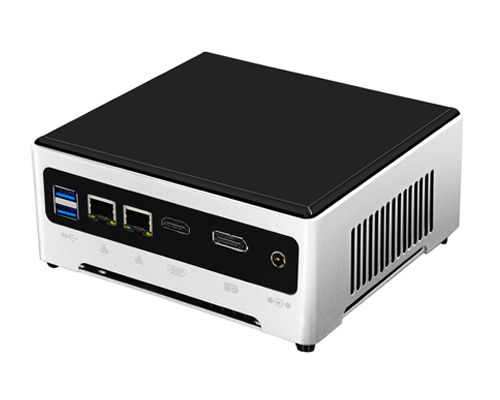
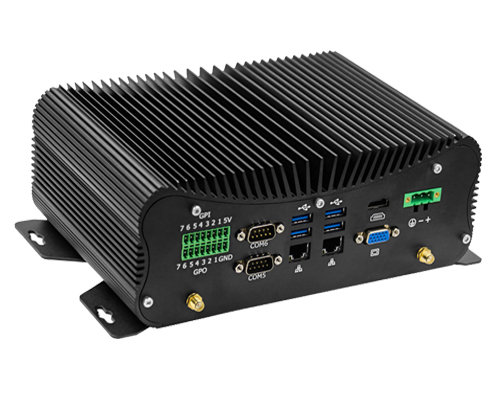
| Mini PC | Kiosk controller | SNR-IBC-N8 fanless PC |
| Payment terminal | Process enrollment fees | Partner integration |
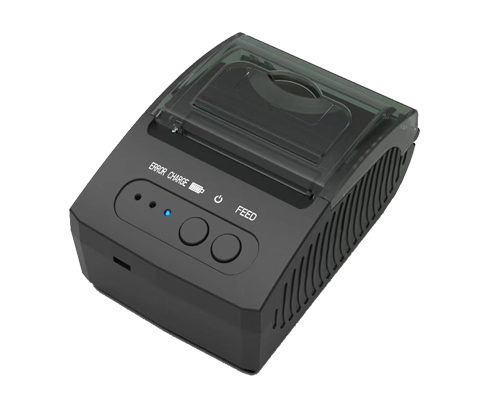
| Kiosk printer | Print receipts | SNR-KP800-VX thermal printer |
| Software | Membership management | Custom or third-party |
Integration Options
Option 1: Full Kiosk Integration
-
Card Dispenser + Kiosk printer + touch screen + payment module
-
Complete self-service enrollment station
-
Best for retail, gyms, hotels
Option 2: Standalone Dispenser
-
Dispenser connected to existing POS
-
Staff-assisted card issuance
-
Best for countertop applications
Option 3: OEM Module Integration
-
Dispenser built into custom kiosk
-
Full control over design and software
-
Best for kiosk manufacturers
ROI Analysis: Why Automate Card Issuance?
Cost Comparison: Manual vs Automated
| Cost Factor | Manual (Staff) | Automated (Kiosk) |
|---|---|---|
| Time per enrollment | 3-5 minutes | 30-60 seconds |
| Staff cost per enrollment | $2.50 – $4.00 | $0.20 – $0.40 |
| Data entry errors | 5-10% | <1% |
| 24/7 availability | No | Yes |
| Card waste | Low | Very low (with retract) |
Sample ROI Calculation (Retail Chain)
Assumptions:
-
50 stores
-
20 new members per day per store
-
365 days per year
-
Staff cost: $20/hour
| Metric | Manual | Automated | Savings |
|---|---|---|---|
| Minutes per enrollment | 4 | 1 | 3 min |
| Annual staff hours | 24,333 | 6,083 | 18,250 hrs |
| Annual staff cost | $486,660 | $121,660 | $365,000 |
| Equipment cost (per kiosk) | – | $2,500 | – |
| Total investment (50 stores) | – | $125,000 | – |
| Payback period | – | – | 4 months |
Common Mistakes to Avoid
Mistake 1: Choosing a Dispenser Without Encoding
Problem: Some “card dispensers” only eject cards—they don’t encode them. You’ll still need a separate encoding step.
Solution: Choose a dispenser with built-in RFID encoding (like SNR-EM100) to complete the process in one step.
Mistake 2: Ignoring Card Thickness
Problem: Your membership cards may be thicker than standard PVC (e.g., 1.2mm for durable cards). The dispenser jams.
Solution: Confirm the dispenser supports your card thickness. SNR-EM100 supports up to 2.0mm with adjustment.
Mistake 3: Forgetting About Unclaimed Cards
Problem: Customers walk away without taking their card. Cards pile up around the kiosk.
Solution: Choose a dispenser with retract function that pulls back unclaimed cards.
Mistake 4: Underestimating Maintenance Needs
Problem: High-traffic location with 150-card hopper runs out daily. Staff frustrated.
Solution: For high-volume applications, choose larger hopper capacity (300+) or schedule regular refills.
Product Recommendation: SNR-K750-C RFID Card Dispenser
The SNR-K750-C is purpose-built for membership kiosk applications:
| Feature | Benefit |
|---|---|
| 150-card capacity | Sufficient for most retail/gym applications |
| RFID encoding (ISO14443A/Mifare) | Write member data directly to card |
| Adjustable card thickness (0.3-2.0mm) | Works with standard and thick cards |
| Compact size (140×83×47mm) | Fits easily into any kiosk enclosure |
| RS232 + USB interface | Easy integration with any control system |
| Retract function option | Recovers unclaimed cards automatically |
Perfect for:
-
Retail loyalty kiosks
-
Gym membership stations
-
Hotel self-service check-in
-
Library card dispensers
-
Parking access control
Getting Started: Your RFID Card Dispenser Checklist
-
Confirm card type: RFID frequency (HF 13.56MHz vs LF 125kHz)
-
Define card thickness: Standard PVC (0.8mm) or thick (1.2mm)
-
Estimate volume: Daily enrollment numbers to determine hopper capacity
-
Choose integration method: Full kiosk, standalone, or OEM module
-
Select interface: RS232, USB, or Ethernet
-
Consider retract function: Needed for unattended kiosks
-
Plan maintenance: Refill schedule, card sourcing
Conclusion
RFID card dispensers are transforming how businesses manage membership programs. By automating card issuance, you reduce staff workload, eliminate wait times, and capture members at the moment of interest.
The SNR-EM100 offers the features you need—RFID encoding, adjustable thickness, and flexible interfaces—all in a compact form factor that fits any kiosk.
Whether you’re building loyalty kiosks for retail, check-in stations for gyms, or self-service terminals for hotels, SNR has the hardware solution to make your membership program run smoothly.
Need Help Choosing the Right RFID Card Dispenser?
Our technical sales team can help you select the right dispenser for your application, volume requirements, and integration needs.