


Let me ask you something: how many times have you squinted at a smudged, faded shipping label? Or watched your warehouse team waste precious minutes waiting for labels to print?
Yeah, I thought so.
Here’s the thing: the right thermal label printer isn’t just a nice-to-have. It’s the backbone of your shipping, inventory, and customer experience.
Whether you’re running an e-commerce store, managing a warehouse, or scaling a small business, the printer you choose directly impacts your bottom line. Fast, clear labels mean fewer returns. Reliable printing means fewer headaches. And the right technology means lower long-term costs.
In this guide, I’ll walk you through everything you need to know about thermal label printers – from technology types to key features, and how to pick the perfect one for your business.
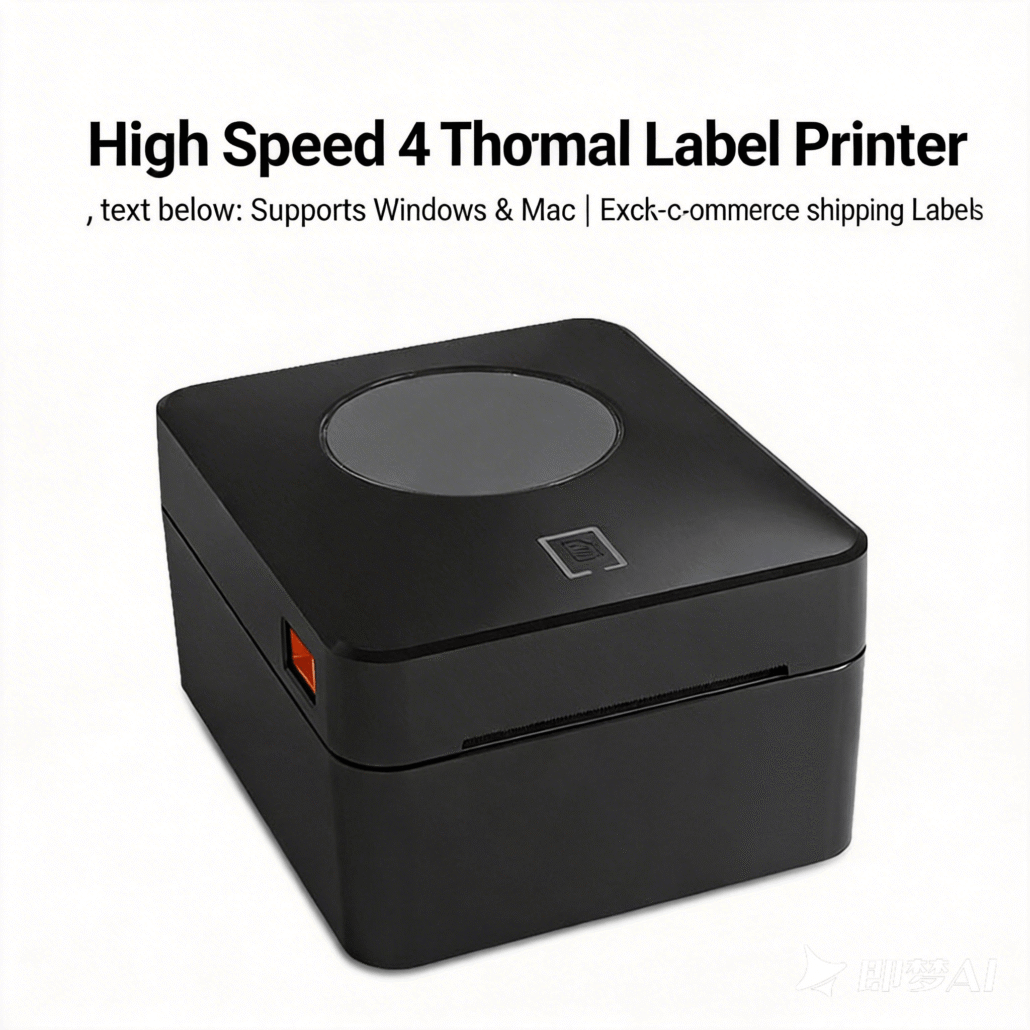
What Is a Thermal Label Printer?
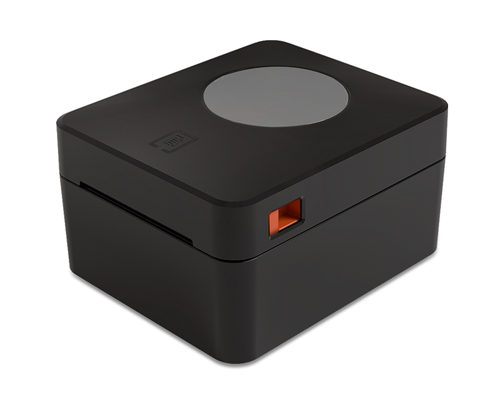
A thermal label printer is a device that uses heat to print on specially coated label paper – no ink, no toner, no cartridges to replace.
Sounds simple, right? But here’s where it gets interesting.
There are actually two completely different technologies inside these printers, and choosing the wrong one can cost you thousands over time.
Let me break it down for you.
Direct Thermal vs Thermal Transfer: What’s the Difference?
| Feature | Direct Thermal | Thermal Transfer |
|---|---|---|
| Print method | Heat reacts with coated label | Heat transfers ink from ribbon |
| Consumables | Labels only | Labels + ribbon |
| Label lifespan | 6-12 months | 5-10+ years |
| Best for | Shipping, receipts, short-term | Asset tags, compliance, outdoor |
| Operating cost | Lower (no ribbon) | Higher (ribbon + labels) |
Quick takeaway: If you’re printing shipping labels that only need to last until delivery, go direct thermal. If you need labels that survive warehouses, weather, or years of storage, thermal transfer is your answer.
*”About 67% of logistics companies prefer direct thermal models for their ease of integration and cost-effective operation, especially for high-volume, same-day dispatch demands.”*
Why Your Business Needs a Thermal Label Printer
Still on the fence? Here are five reasons businesses like yours are making the switch:
1. Eliminate Ink & Toner Costs
No more “$80 for a black cartridge” surprises. Thermal printers only need label rolls. Period.
2. Print Faster, Ship Faster
Modern thermal printers hit speeds up to 250mm/second. Your warehouse team won’t be standing around waiting.
3. Crystal Clear Barcodes
Blurry barcodes cause returns. Thermal printing delivers sharp, scannable codes every time.
4. Less Downtime, More Productivity
With no ribbon changes (on direct thermal) and simple paper loading, your team stays focused on work, not fixing printers.
5. Perfect for High-Volume Operations
Whether you ship 50 packages a day or 5,000, thermal printers handle the volume without breaking stride.
Key Applications Across Industries
📦 E-commerce & Shipping
Best for: 4×6 shipping labels, return labels, address labels
Online sellers on Amazon, eBay, Shopify, and Etsy need reliable shipping label printers. A good thermal printer pays for itself in convenience alone.
*”74% of warehouses report that the rapid growth in online order volumes continues to drive the adoption of industrial thermal label printers to meet bulk and high-frequency labeling needs.”*
🏭 Manufacturing & Warehousing
Best for: Product labels, barcode tracking, inventory management
Industrial thermal label printers handle dust, temperature changes, and continuous operation. Over 61% of industrial printers are used in logistics and warehousing.
🏪 Retail
Best for: Price tags, shelf labels, promotional stickers
Retailers need printers that are easy to use and reliable. Desktop models work perfectly for store-level labeling.
🏥 Healthcare
Best for: Patient wristbands, specimen labels, pharmacy labels
Hospitals and clinics demand high-clarity, durable labels. Healthcare applications are one of the fastest-growing segments.
🚚 Logistics & Transportation
Best for: Shipping labels, tracking labels, compliance labels
Logistics operations need speed and reliability. High-speed models account for 42.1% of the market share, growing at 5.7% CAGR.
How to Choose the Right Thermal Label Printer
Here’s what to look for when shopping for a thermal label printer:
1. Print Technology: Direct Thermal vs Thermal Transfer
Ask yourself: How long does this label need to last?
-
Short-term (days to months): Direct thermal. Cheaper to run, simpler to use.
-
Long-term (years, outdoor exposure): Thermal transfer. More durable, weather-resistant.
2. Print Speed (mm/s or IPS)
| Speed | Best for | Example |
|---|---|---|
| 100-150 mm/s | Small business, occasional use | Coffee shop, boutique |
| 150-200 mm/s | Regular daily use | Retail store, small warehouse |
| 200-300 mm/s | High-volume, continuous operation | Amazon seller, fulfillment center |
3. Print Width
| Width | Label size | Application |
|---|---|---|
| 2-inch | Small price tags | Retail shelf labels |
| 4-inch | 4×6 shipping labels | E-commerce, shipping |
| 6-inch+ | Large compliance labels | Manufacturing, chemicals |
4. Connectivity Options
| Connection | Best for |
|---|---|
| USB | Desktop, single computer |
| Ethernet | Networked, multi-user |
| Bluetooth | Mobile printing from phone/tablet |
| Wi-Fi | Wireless office/warehouse |
*”About 56% of new industrial thermal printers now offer wireless and cloud-based management, improving efficiency and scalability.”*
5. Duty Cycle (Volume)
-
Light duty (<500 labels/day): Desktop models
-
Medium duty (500-2,000 labels/day): Mid-range industrial
-
High duty (2,000-10,000+ labels/day): Industrial/enterprise
SNROTEK Thermal Label Printers: Built for Business
At SNROTEK, we understand that one size doesn’t fit all. That’s why we offer thermal label printers for every application – from small business shipping to industrial warehousing.
Our Thermal Label Printer Series
| Model | Type | Max Speed | Paper Width | Connectivity | Best For |
|---|---|---|---|---|---|
| SNR-DP58L | Direct Thermal | 90mm/s | 2-inch | USB, Ethernet, Bluetooth | Small business shipping |
| SNR-DP80L | Direct Thermal | 120mm/s | 3-inch | USB, Ethernet, Bluetooth | E-commerce, warehouse |
| SNR-DP90L | Direct Thermal | 160mm/s | 4-inch | USB, Ethernet, Bluetooth | E-commerce, warehouse |
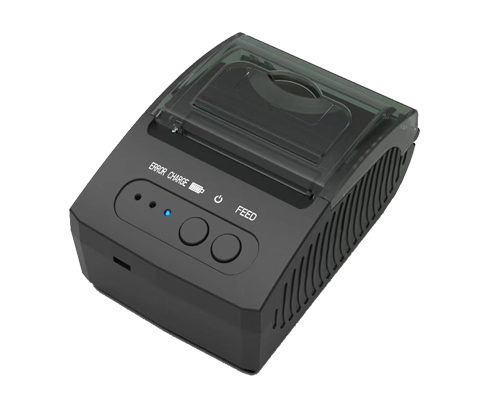
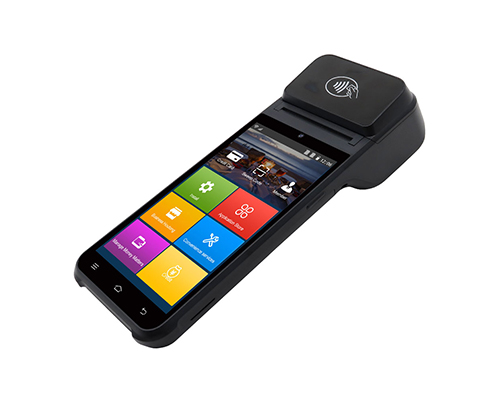
| SNR-MLP8000 | Mobile/Portable | 100mm/s | 3-inch | Bluetooth, USB-C | Field service, inventory |
Why Choose SNROTEK?
✅ Factory-direct pricing – No middlemen, better value
✅ CE, FCC, RoHS certified – Ready for global markets
✅ 1-year warranty – Peace of mind included
✅ OEM & wholesale – Custom branding available
✅ Global shipping – Fast delivery worldwide
Thermal Label Printer Market Trends (2026-2035)
Want to know where the market is heading? Here’s what the data says:
Market Size & Growth
-
The global industrial label printer market was valued at $23.8 billion in 2025, projected to reach $38.8 billion by 2035 (5.1% CAGR).
-
The direct thermal printing segment holds about 39% of the industrial market share.
-
High-speed printers (200mm/s+) account for 42.1% of the market, growing at 5.7% CAGR.
Technology Trends
| Trend | Impact |
|---|---|
| Wireless & Bluetooth | 56% of new models offer wireless connectivity |
| Cloud-based management | Remote monitoring, predictive maintenance |
| RFID integration | Enhanced traceability in 15% of new installations |
| Energy efficiency | 48% of businesses cite energy savings as a key buying factor |
Regional Insights
-
North America leads with 33% market share, driven by logistics and e-commerce
-
Asia Pacific is the fastest-growing region at 35% share, fueled by manufacturing expansion
Frequently Asked Questions
1. What is the difference between direct thermal and thermal transfer?
Direct thermal uses heat to print on coated paper – simple and cost-effective, but labels fade over time. Thermal transfer uses a ribbon to print – more durable, but higher consumable cost.
2. Can I use a thermal label printer for Amazon shipping labels?
Absolutely. Most Amazon sellers use 4×6 thermal label printers for FBA and FBM shipments. They’re faster and cheaper than using regular printers and paper.
3. How long do thermal labels last?
Direct thermal labels typically last 6-12 months. Thermal transfer labels can last 5-10 years or more, depending on storage conditions.
4. Do thermal label printers need ink?
No. Thermal printers use heat to print – no ink cartridges, no toner, no ribbons (for direct thermal models).
5. How do I connect a thermal label printer to my phone?
Look for printers with Bluetooth connectivity. Our SNR-ML50 and select TL-series models support mobile printing from iOS and Android devices.
6. What’s the best thermal label printer for small business?
For most small businesses, a 4-inch direct thermal printer (like our SNR-TL104) is the sweet spot – affordable, reliable, and perfect for shipping labels.
7. Do you offer OEM or wholesale pricing?
Yes. SNR is a direct manufacturer offering OEM customization, wholesale pricing, and bulk orders. Contact us with your requirements.
8. What’s the warranty on SNR thermal label printers?
All SNR printers come with a 1-year warranty and lifetime technical support.
Conclusion: Which Thermal Label Printer Is Right for You?
Let’s bring this home.
| If you need… | Choose… |
|---|---|
| Shipping labels for e-commerce | SNR-DP80L or SNR-DP90L (direct thermal) |
| Long-term asset tags | SNR-TL312 (thermal transfer) |
| Mobile/field printing | SNR-MLP8000 (Bluetooth portable) |
| High-volume warehouse | SNR-DP80L or SNR-DP90L with Ethernet |
| Small business, light use | SNR-DP58L or DP-80L (best value) |
Not sure? Contact SNR – our team will help you match the right printer to your volume, environment, and budget.
📧 Email: sales@snroprinter.com
🌐 Website: www.snroprinter.com
🔧 OEM & Wholesale Inquiries Welcome