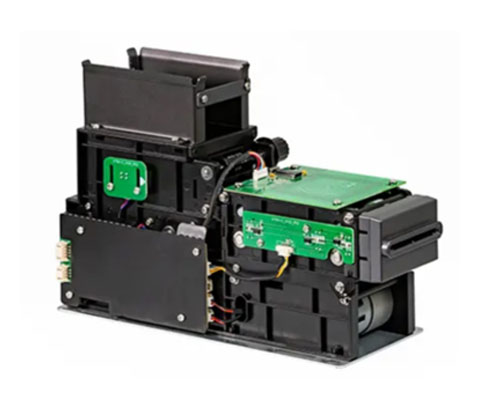

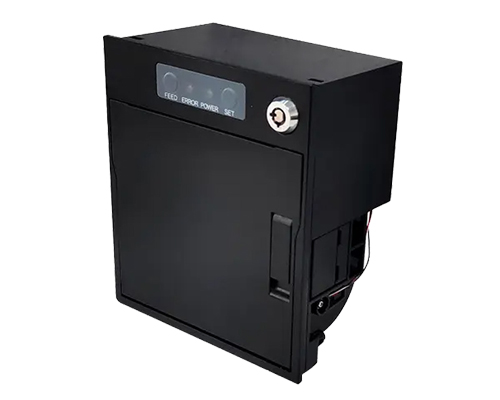
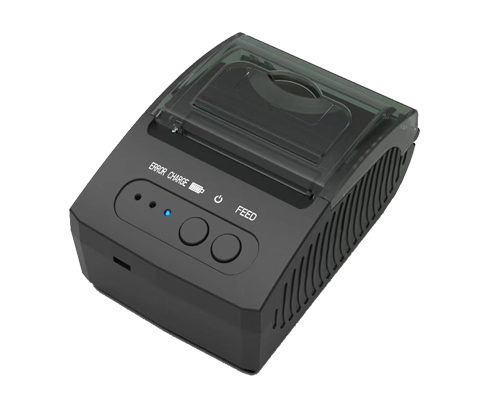
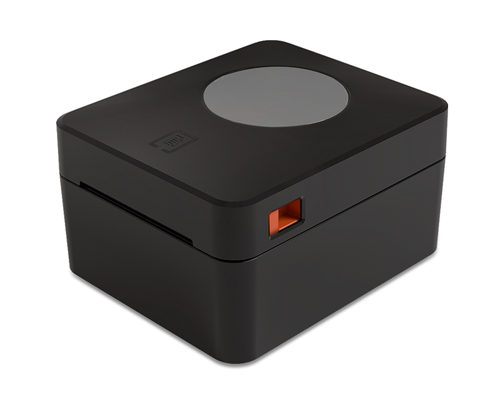

Core Keywords: motorized card dispenser, automatic card dispenser, card dispenser selection, parking lot card dispenser, embedded card dispensing module
Introduction: Why Do You Need a Selection Guide?
As a supplier of intelligent terminal equipment, we often encounter customers asking the same questions: “I want to build a self-service card dispensing system, but I don’t know what kind of card dispenser to choose.” “Are the card dispensers used in parking lots the same as those used in self-service terminals?”
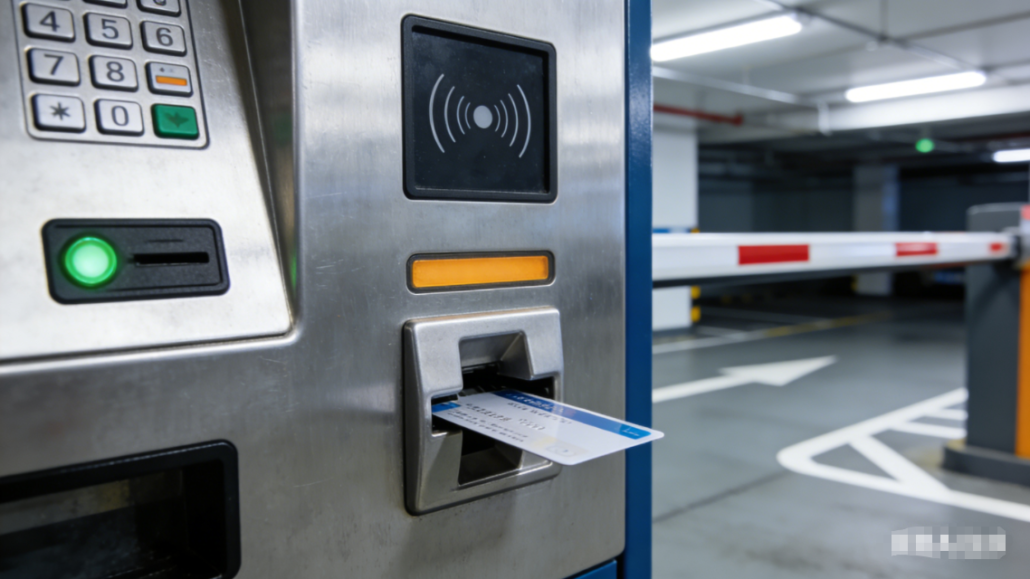
Although motorized card dispensers all look like devices that “eject cards,” the requirements for card dispensers in different scenarios are vastly different. Choose incorrectly, and the consequences can range from high maintenance costs to complete system failure.
This article will help you fully understand the key points of motorized card dispenser selection from three dimensions: core parameters, application scenarios, and key functions.
I. The “Heart” of Card Dispensers: Understanding Core Parameters
1. Card Hopper Capacity: Determines Maintenance Frequency
The card hopper capacity directly determines how often administrators need to refill cards.
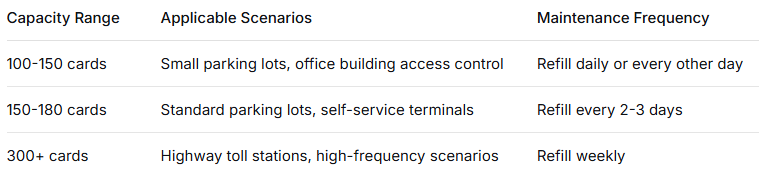
Some brand card dispensers have a hopper capacity of 150-500 cards (with 0.8mm card thickness) and feature a low-card reminder that automatically alerts when cards fall below a preset number (e.g., 15 cards).
Selection Advice: If you’re building a parking lot system, choose a model with a capacity of 150 cards or more; for medium to low-frequency scenarios like hotel self-service check-in machines, 100 cards capacity is sufficient.
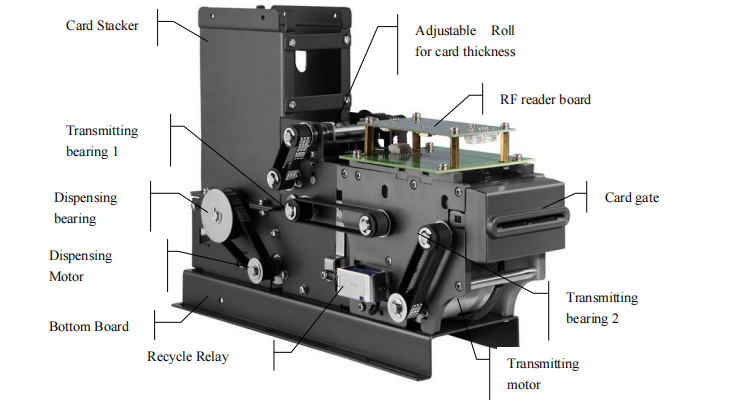
2. Card Thickness Compatibility: A Range of 0.4-1.2mm
Cards used in different scenarios vary completely in thickness:
• Standard PVC membership cards: 0.76-0.8mm
• Thick cards (e.g., some access control cards): 1.0-1.2mm
• Thin cards (paper temporary cards): 0.4-0.5mm
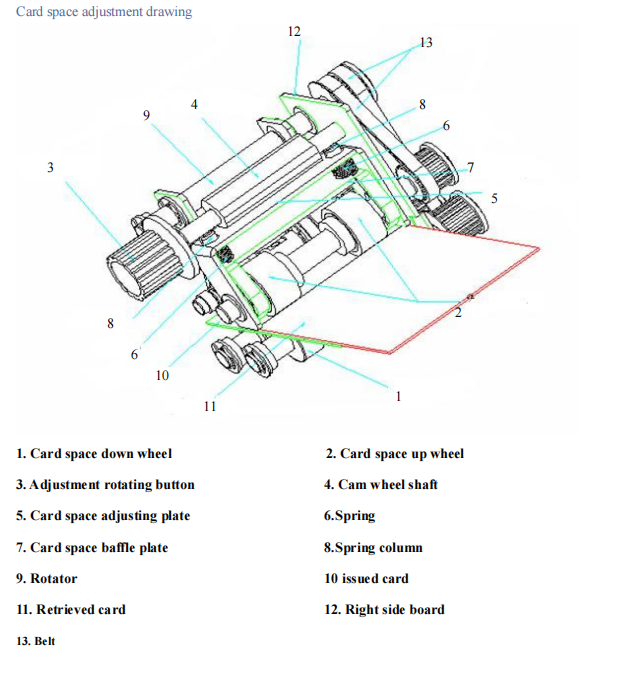
High-quality card dispensers should support a card thickness range of 0.3-1.2mm and feature thickness adjustment functionality. Some products can adapt to different card thicknesses by simply rotating a distance adjustment knob, with standard cards of 0.7-0.9mm requiring no adjustment.
3. Dispensing Speed: >1 Card/Second is the Baseline
For parking lot entrances, slow dispensing speed causes vehicle queuing. The industry standard is dispensing speed greater than 1 card per second, with high-end models reaching 2-3 cards per second.
Real Scenario: At a cloud toll station in Hebei Province, after adopting intelligent card dispensing robots, vehicles without ETC could pass through the toll station in as little as 5 seconds (including card collection + barrier lift), a significant improvement compared to 40 seconds per vehicle with manual toll collection.
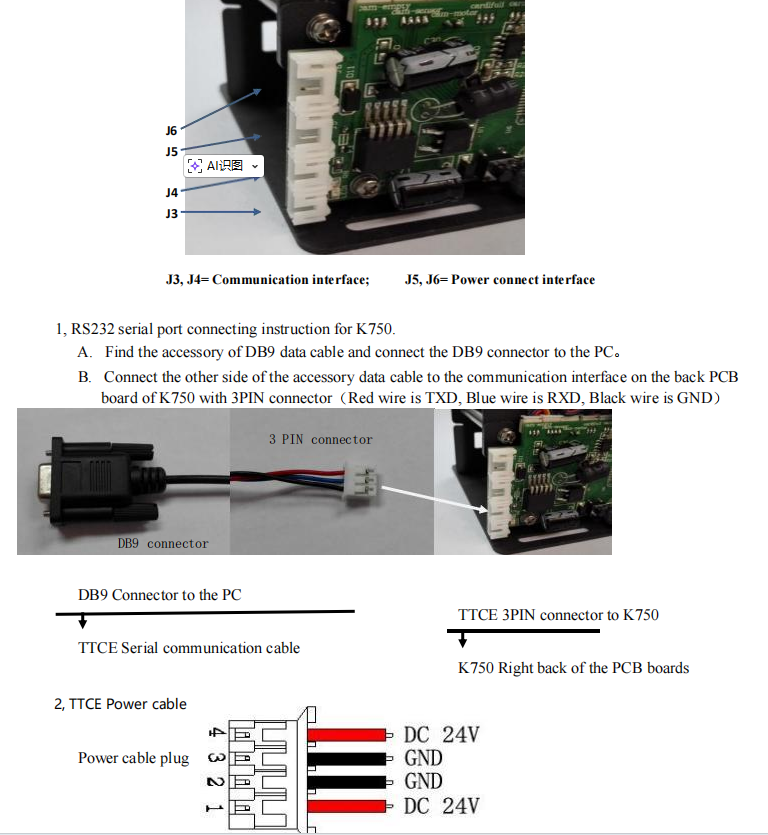
4. Operating Voltage: 24V is Mainstream
The vast majority of industrial-grade card dispensers use DC 24V ± 5% power supply. Some desktop or small card dispensers support 12V, but note:
• 24V: Industrial standard, strong anti-interference capability, suitable for embedded installation
• 12V: Suitable for desktop, small terminals, but requires customization
5. Communication Interface: RS-232 is Most Common
Currently, the mainstream communication method for card dispensers is the RS-232 serial port, with some supporting TTL levels or USB conversion. If you are a system integrator, you need to confirm whether the manufacturer provides SDKs for the corresponding operating systems (such as Windows, Android, Linux).
II. In-Depth Analysis of Application Scenarios: How to Choose for Different Scenarios?
Scenario 1: Parking Lot Entrance Card Dispenser
Typical Requirements: Outdoor environment, 24/7 operation, high reliability, dustproof and waterproof
This is the most traditional application scenario for card dispensers. Vehicles enter the parking lot entrance, drivers press a button to get a card, and the barrier lifts.
Selection:
• Protective Design: Must have a front normally-closed door design to effectively prevent dust and rainwater
• Card Retrieval Convenience: The card outlet position should consider the window height differences of various vehicle models
• Emergency Function: When a card jams, it should support manual troubleshooting by rolling the side roller

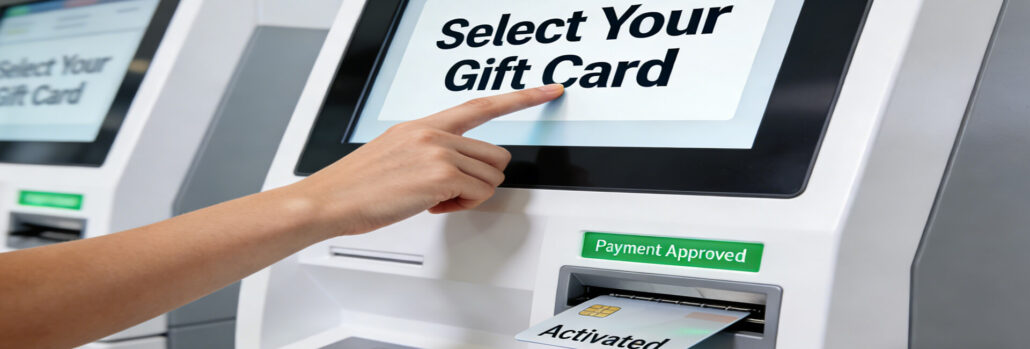
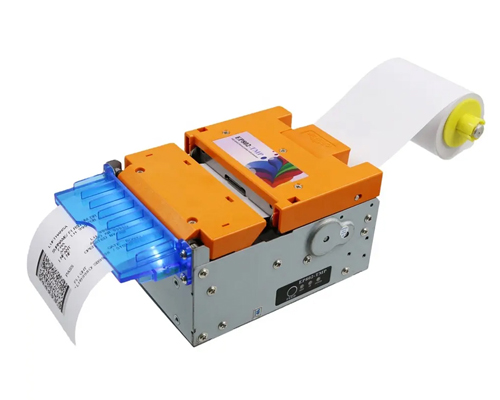
Scenario 2: Embedded Card Dispensing for Self-Service Terminals/KIOSK
Typical Requirements: Compact space, modular installation, coordination with other modules (card readers, printers)
Used in scenarios like hospital self-service registration machines, hotel self-service check-in machines, and self-service card vending machines, the card dispenser is embedded as one module within the overall machine.
Selection:
• Compact Dimensions: suitable for embedding
• Multiple Card Stop Positions: Supports stopping the card at multiple positions such as the “contactless card reader position,” “contact IC card position,” and “card holding position,” accommodating different reading/writing needs
• Double Shutter Design: The first mechanical shutter prevents dust; the second electric shutter prevents foreign object intrusion
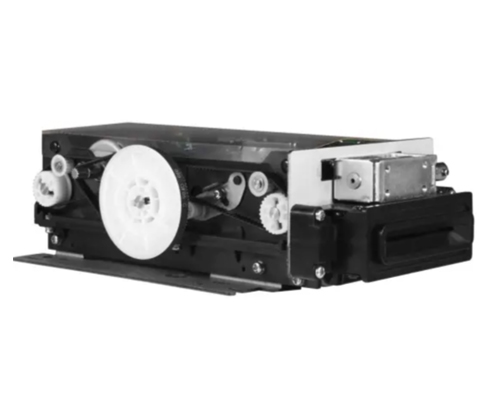
Technical Parameter Example: The K100 series supports storing 150 standard cards and can read/write three card types: magnetic stripe cards, contact IC cards, and contactless IC cards.

Scenario 3: Desktop Centralized Card Dispensing
Typical Requirements: Office environment, batch card issuance, portable mobility
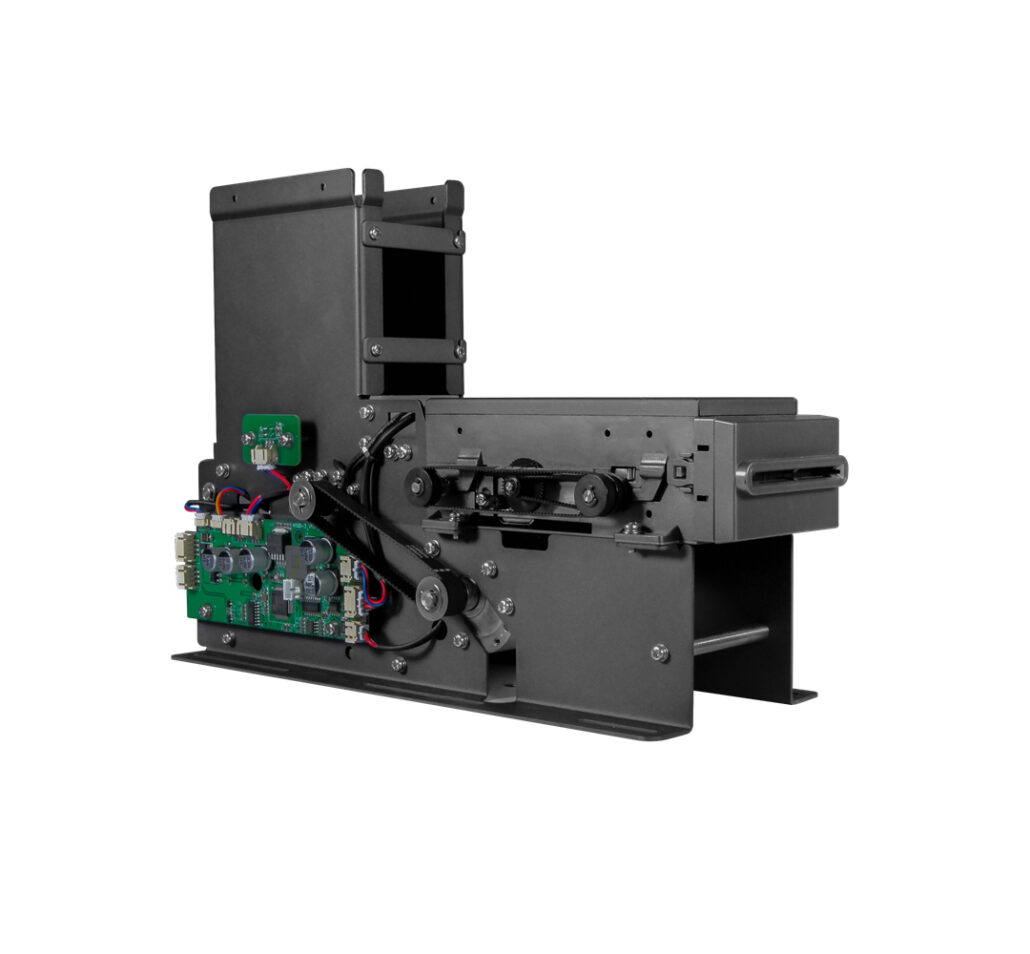
Used in scenarios like bank counters, membership centers, schools, etc., where staff issue cards in batches.
Selection:
• Desktop Design: For example, a certain brand’s desktop card dispenser measures 396×170×205mm and weighs about 6kg, suitable for placement on hotel front desks
• Card Recycling Function: Some high-end models support “cyclic card dispensing/receiving,” where cards from the recycling bin automatically return to the dispensing hopper, reducing manual intervention
• PC Software Support: Requires comprehensive card issuance management software

Scenario 4: Highway Toll Collection System
Typical Requirements: Ultra-high reliability, axle recognition linkage, remote operation and maintenance
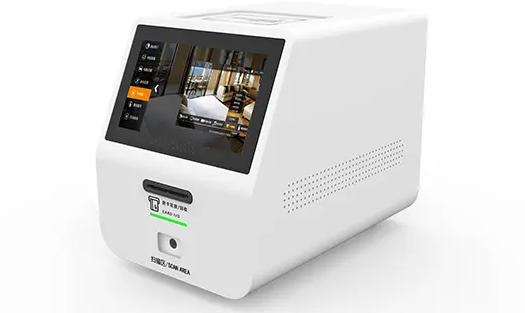
Highways have the most demanding requirements for card dispensers—high traffic volume, complex vehicle types, 24/7 operation.
Selection:
• Vehicle Type Recognition Linkage: The card dispenser needs to link with license plate recognition and vehicle type recognition systems to automatically determine passenger cars/trucks
• Cloud-Networked Management: Supports remote monitoring, fault diagnosis, and even remote customer service assistance
• Dual Dispensing Outlets: For different vehicle types (e.g., large trucks vs. small cars), there are upper and lower card outlets
Data Support: Intelligent card dispensing robots using AI technology improve card dispensing/toll collection time by 2 times, increase vehicle type recognition accuracy by 5%, and enhance lane management level by 2 times.
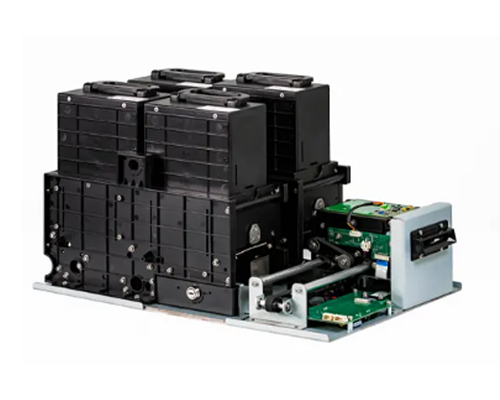
III. Key Functions: Which are “Must-Haves” and Which are “Optional”?
Essential Basic Functions
- Low Card Warning:Automatically alerts when cards in the hopper fall below a set number (e.g., 15) to avoid running out of cards
- Recycling Bin Full Alarm:Recycling bin capacity is usually only 25-30 cards; needs timely emptying when full
- Manual Troubleshooting:When a card jams, it can be manually cleared via a side roller
- Anti-Static Brush:Removes dust and static electricity from cards, ensuring stable reading/writing
Recommended Optional Advanced Functions
- Power Failure Card Ejection:Automatically ejects or retracts cards when main power is cut, preventing cards from getting stuck inside the machine (Unattended terminals)
- Dual Outlet Design:Adapts to different vehicle window heights(Parking lots, highways)
- Cyclic Dispensing:Cards are automatically recycled and reused, reducing manual maintenance(High-frequency self-service terminals)
- Multi-Protocol Reading/Writing:Supports ISO14443A/B, Mifare, CPU cards, etc. (Finance, government)
Easily Overlooked Details
-
Card Calibration Issue: If card thickness changes after printing, confirm whether the card dispenser supports thickness calibration. Engineer finds that most card dispensers require no adjustment for standard 0.7-0.9mm cards, but testing is best after changing card types.
-
Recycling Mechanism Differences: “Card holding position” means the card is half-exposed, and users can pull it out; “non-holding position” means the card is fully ejected and might fall if not taken. The former is safer.
-
Dual Motor vs. Single Motor: In high-frequency scenarios like automatic card vending machines, dual-motor independent drive systems (main motor pushes card + auxiliary motor controls release) reduce failure rates by 60% compared to single motors, achieving card dispensing success rates above 98%.
IV. Selection Pitfall Guide (Based on Real Customer Feedback)
1: Ignoring Recycling Bin Capacity
Problem: A self-service terminal customer chose a card dispenser without noticing the recycling bin had only 25 cards capacity. The recycling bin filled up within a day, causing the system to shut down with an error.
Lesson: High-frequency scenarios must pay attention to recycling bin capacity, or consider cyclic dispensing models where cards automatically return.
2: Voltage Mismatch
Problem: A customer bought a 24V card dispenser, but their system only provided 12V power. They ended up needing to add a power conversion module, increasing costs and potential failure points.
Lesson: Confirm system supply voltage before purchasing. If 12V is needed, some brands offer customization.
3: Inflated Hopper Capacity Claims
Problem: A model was labeled as having 150 cards capacity, butvcould only hold 100 thick cards (e.g., 1.2mm).
Lesson: Know the thickness of the cards you’ll use and ask the manufacturer about the actual capacity for that thickness. Standard capacity is usually calculated based on 0.76-0.8mm cards.
4: Incomplete Software SDK
Problem: An integrator purchased a card dispenser only to find the manufacturer only provided a Windows SDK, but their terminal used the Android system, causing development difficulties.
Lesson: Before purchasing, confirm whether the manufacturer provides SDKs and documentation for the system you use.
- ST-K750-C :200pcs card capacity,contactless card reader option,suitable for Parking lot entrances, highway toll stations
- ST-K720:300pcs card capacity,contactless card reader option,suitable for Self-service terminals, KIOSK
- ST-K750-L:50-150pcs card capacity,Supports circular card issuance,suitable for High-frequency self-service terminals,hotel key card
Technical Advantages:
• Entire series supports low-card warning, manual troubleshooting
• Provides Windows/Android/Linux SDKs
• Customizable voltage, communication protocols, panel colors
VII. Conclusion: Choose the Right Card Dispenser, Half the System’s Success is Assured
Although the motorized card dispenser is just a small module in the entire system, it directly interfaces with users and represents the “last meter” of user experience. One paper jam, one failure to eject a card, and users might lose confidence in the entire system.
We hope this selection guide helps you understand your needs more clearly and choose the card dispenser that best suits your project.
If you have specific project requirements, please contact us. The SNROTEK technical team can provide one-on-one selection advice.