


Blog
Why Paper Roll Capacity Matters More Than Many Teams Expect in Self-Service Kiosks
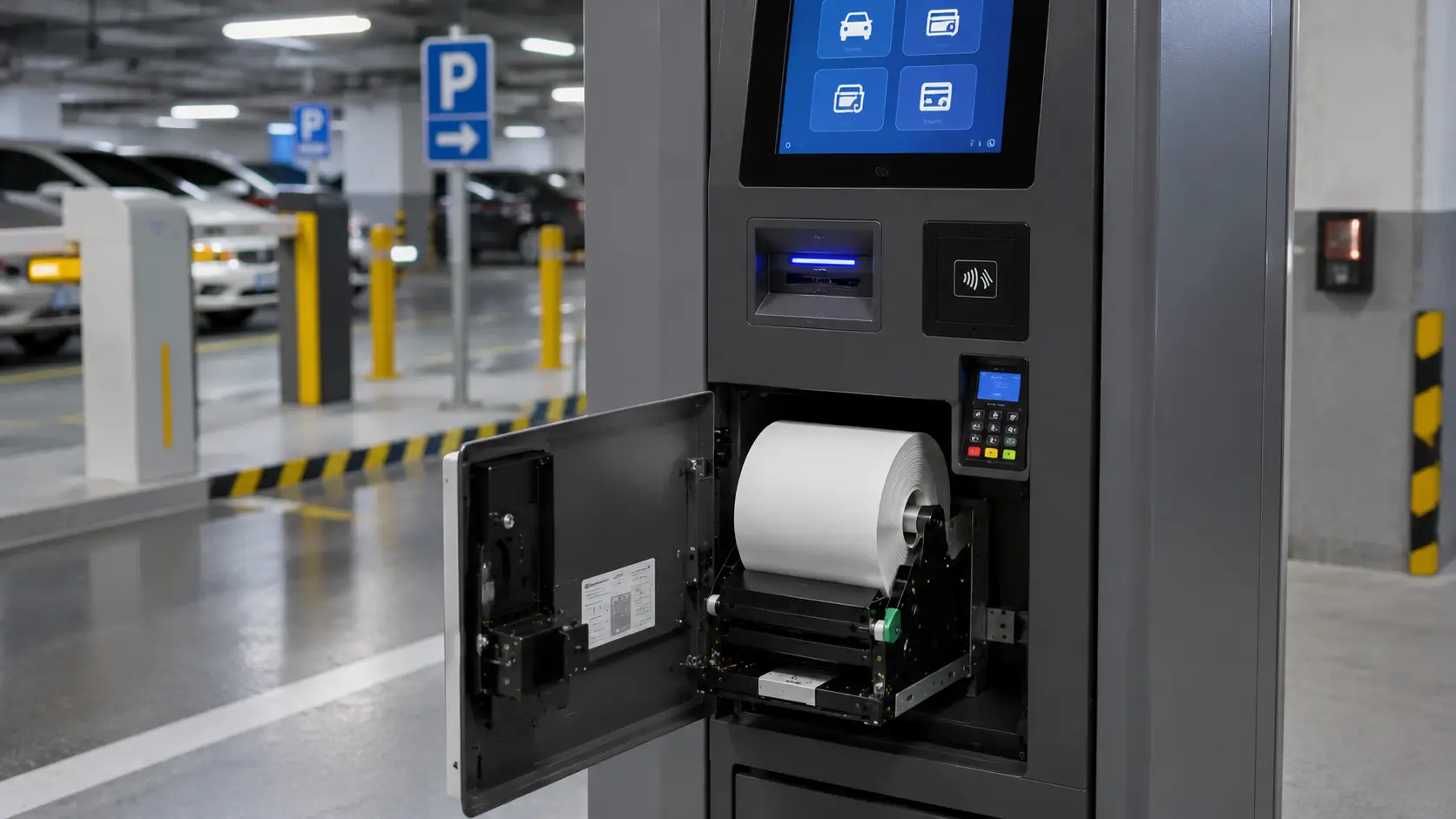
Introduction
When evaluating a kiosk printer, many project teams focus on print speed, resolution, communication interfaces, or operating system compatibility.
Paper roll capacity is often treated as a secondary specification.
However, experienced self-service operators frequently discover that paper capacity has a direct impact on maintenance frequency, operational costs, and kiosk uptime.
In large deployments, a seemingly small difference in paper roll size can significantly influence long-term operating efficiency.
This is why many experienced integrators evaluate paper capacity long before comparing print speeds.
Key Takeaways
- Paper roll capacity directly influences maintenance frequency and kiosk uptime.
- Small differences in roll size can create significant operational cost differences at deployment scale.
- Parking, ticketing, and high-traffic self-service systems often benefit most from larger paper roll capacity.
- Maintenance planning frequently becomes more important than print speed after deployment.
- Experienced operators evaluate paper capacity as part of their overall uptime strategy.
Why Paper Capacity Is Often Overlooked
During product evaluation, paper roll capacity may appear to be a simple specification.
For example:
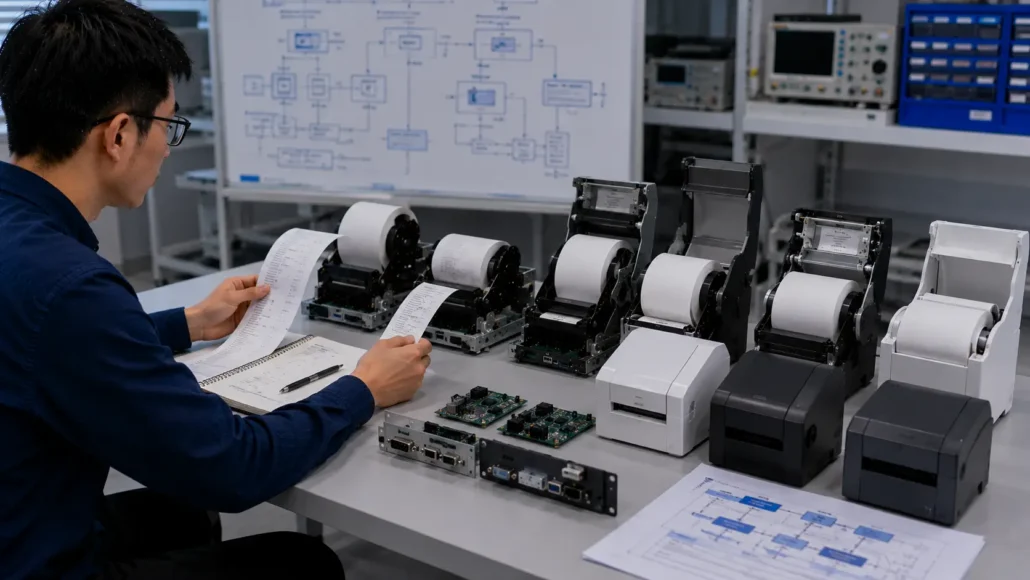
80mm Paper Width120mm Roll Diameter
160mm Roll DiameterThese numbers look straightforward.
In practice, they influence how often technicians must visit kiosks, how frequently paper is replaced, and how often systems become unavailable due to paper depletion.
The larger the deployment, the more significant these operational differences become.
 Paper Capacity Directly Influences Maintenance Frequency
 Paper Capacity Directly Influences Maintenance Frequency
Every paper replacement requires:
- Technician time
- Service scheduling
- Kiosk access
- Operational interruption
For a single kiosk, this may seem insignificant.
For hundreds of deployed systems, maintenance frequency becomes a major operational cost.
A larger paper roll can reduce service visits and extend unattended operating periods.
This is one reason parking systems and ticket vending machines often favor printers with larger paper roll capacity.
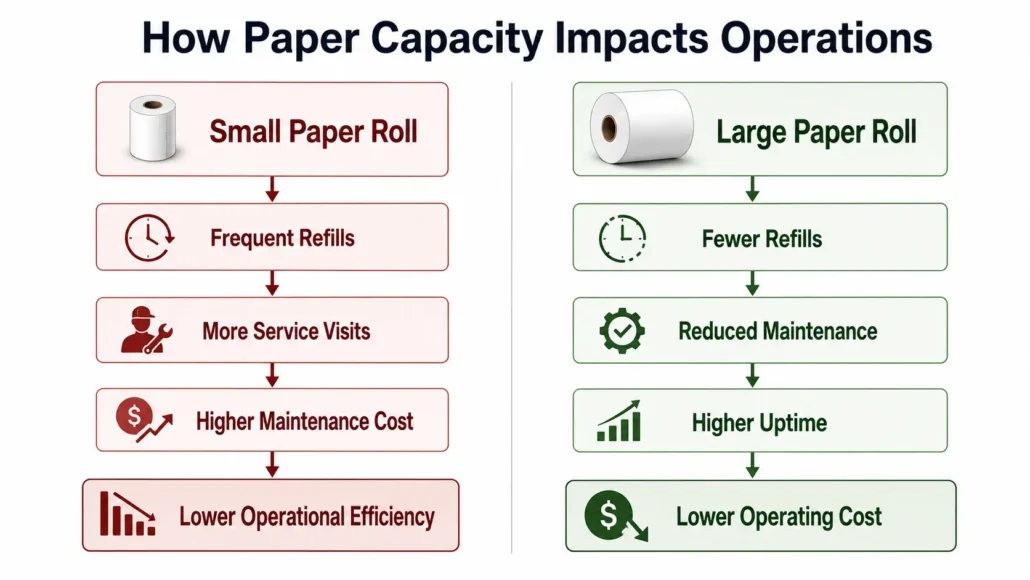
Small Time Savings Become Significant at Scale
A common pattern appears during deployment expansion.
During pilot projects:
10 kiosksPaper replacement is rarely a concern.
After expansion:
100 kiosks

500 kiosks

1000 kiosks
The same maintenance task may need to be repeated thousands of times every year.
At this point, paper capacity becomes an operational decision rather than a hardware specification.

A Simple Deployment Example
Consider a deployment of 200 self-service kiosks.
If a larger paper roll reduces paper replacement by just one service visit per kiosk each month, the operation may avoid thousands of maintenance visits over the course of a year.
This is one reason why experienced operators often evaluate paper capacity as an operational efficiency factor rather than simply a printer specification.
Uptime Depends on More Than Printer Reliability
Many teams associate uptime exclusively with hardware reliability.
In reality, kiosks can become unavailable even when printers are functioning perfectly.
Common examples include:
- Paper depleted
- Delayed maintenance
- Missed service schedules
- High transaction periods
In these situations, larger paper capacity can help extend operational availability.
For unattended deployments, paper management often becomes part of the overall uptime strategy.
Different Applications Have Different Requirements
Not every project requires the same paper capacity.
Queue Management Systems
Generally lower paper consumption.
Visitor Registration Kiosks
Moderate transaction volume.
Banking Self-Service Terminals
Variable usage depending on location.
Parking Payment Systems
Often operate continuously throughout the day.
Ticket Vending Machines
May experience heavy demand during peak periods.
Applications with high transaction volume typically benefit most from larger paper roll capacity.
Why Parking Operators Often Prioritize Large Paper Rolls
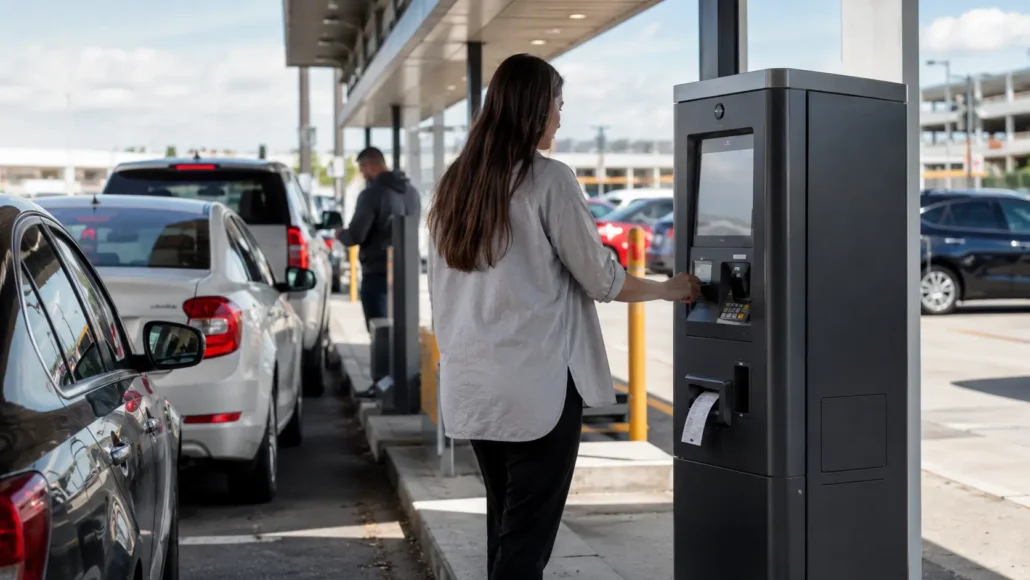
Parking systems provide a useful example.
Many parking terminals operate:
- 24 hours a day
- Outdoors or semi-outdoors
- With limited maintenance opportunities
Frequent paper replacement increases service costs and operational complexity.
As a result, parking operators often evaluate:
- Paper roll diameter
- Maintenance accessibility
- Refill procedures
before evaluating print speed differences.
This is one reason high-capacity kiosk printers remain popular in parking applications.
Deployment Experience Often Changes Priorities
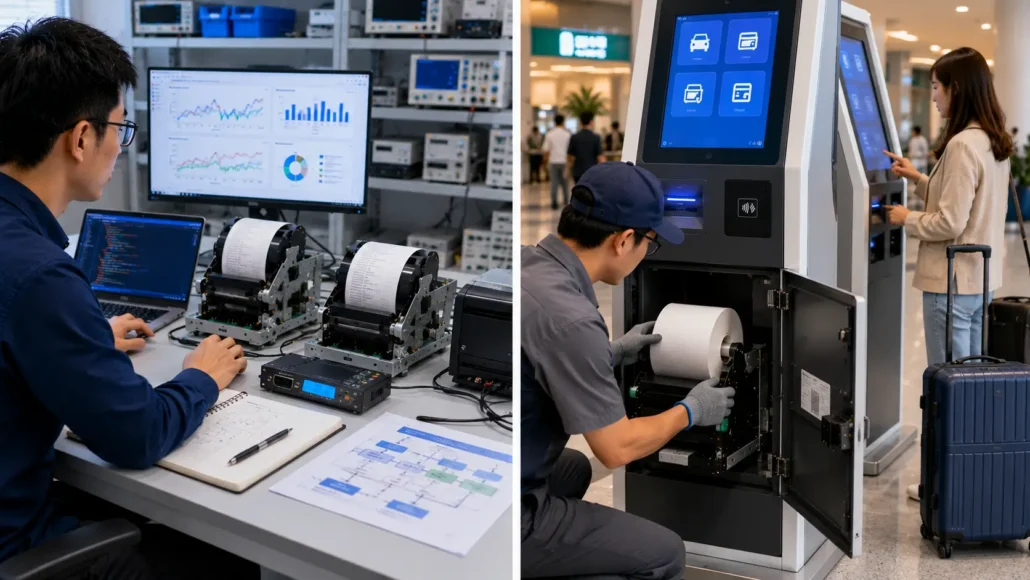
During laboratory testing, paper capacity rarely appears important.
After deployment, priorities often change.
Teams begin asking:
- How often must paper be replaced?
- How quickly can technicians refill the printer?
- What happens during peak transaction periods?
- Can the kiosk continue operating through weekends and holidays?
These operational questions frequently become more important than technical specifications.
Lessons Learned from Large Deployments
Many self-service projects initially focus on printer specifications such as print speed, communication interfaces, and operating system compatibility.
However, after deployment expansion, operators often discover that paper replacement frequency becomes one of the most visible operational challenges.
In pilot projects with a small number of kiosks, paper management may appear insignificant. Once deployments expand across multiple locations, even a small reduction in refill frequency can save considerable maintenance effort over time.
For this reason, experienced operators frequently evaluate paper roll capacity, maintenance accessibility, and refill procedures together rather than treating paper storage as an isolated specification.
Recommended Kiosk Printers for High-Capacity Operation
SNR-KP802-VX
Suitable for:
- Parking systems
- Ticket vending machines
- High-volume unattended deployments
Advantages:
- Large 200mm paper roll capacity
- Long operating intervals
- Presenter functionality
- Linux support
SNR-KP800-VX
Suitable for:
- General self-service kiosks
- Banking terminals
- Queue management systems
Advantages:
- Flexible integration
- Reliable operation
- Efficient maintenance access
SNR-KP602-VX
Suitable for:
- Compact ticket issuance systems
- Visitor management kiosks
Advantages:
- Compact footprint
- Presenter functionality
- Space-efficient design
SNR-KP602-TM
Suitable for:
- Queue management systems
- Compact self-service terminals
Advantages:
- Compact structure
- Easy integration
- Efficient paper replacement
What Experienced Integrators Usually Evaluate
When selecting a kiosk printer, experienced teams often evaluate:
- Paper roll capacity
- Maintenance accessibility
- Operating environment
- Expected transaction volume
- Refill procedures
- Long-term service costs
These factors frequently influence operational performance more than print speed alone.
Common Capacity Planning Mistakes
When selecting kiosk printers for unattended operation, teams sometimes:
- Focus primarily on print speed while overlooking paper consumption.
- Assume pilot project maintenance requirements will remain the same after deployment expansion.
- Underestimate the operational impact of frequent paper replacement.
- Evaluate paper roll diameter without considering transaction volume.
- Ignore maintenance accessibility when planning service procedures.
Avoiding these mistakes can improve kiosk availability, reduce service costs, and simplify long-term operations.
Conclusion
Paper roll capacity may appear to be a simple specification, but its impact extends far beyond paper storage.
Maintenance frequency, service costs, operational efficiency, and kiosk uptime are all influenced by how often paper must be replaced.
For self-service deployments, especially those operating continuously or at large scale, paper capacity often becomes an operational advantage rather than a hardware feature.
Experienced teams therefore evaluate paper roll capacity as part of the overall deployment strategy rather than treating it as a secondary specification.
Related Resources
How to Choose a Kiosk Printer in 2026
Linux Kiosk Printer Integration Guide
Kiosk Printer Selection Guide (Full System Overview)
Presenter Printer vs Auto Cutter Printer
Parking & Ticketing Hardware Solutions
Ticket Vending Machine Hardware Solutions
Queue Management Hardware Solutions
Self-Checkout Hardware Solutions
Banking Self-Service Terminal Hardware Solutions